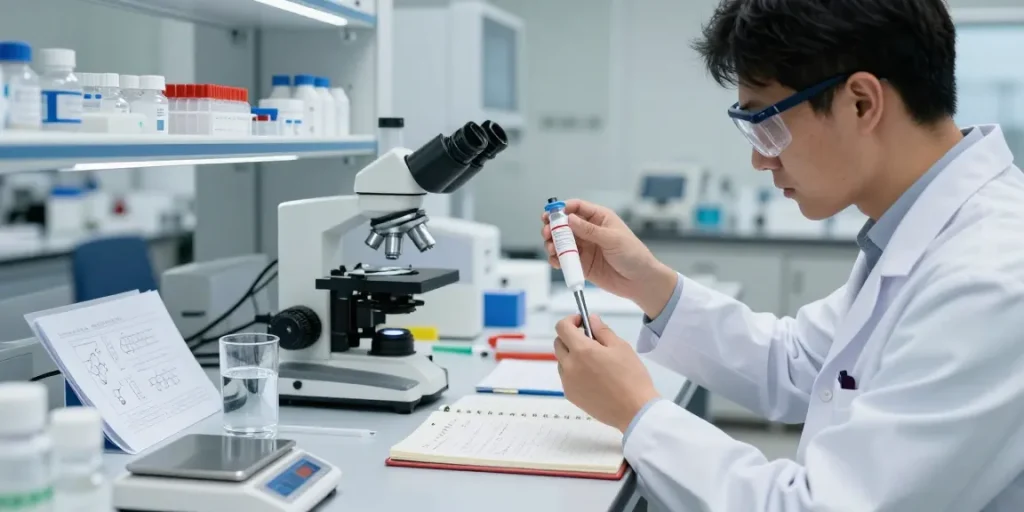

Understanding Lyophilized Peptide Vials
In the realm of biochemical and pharmaceutical research, the use of lyophilized peptide vial has become increasingly significant. These specialized vials encapsulate peptides in a dry, stable form, allowing for prolonged storage and easy handling during experimental procedures. As researchers strive for greater efficacy and consistency in their studies, understanding the nuances of these vials and their applications is paramount.
What is a Lyophilized Peptide Vial?
A lyophilized peptide vial is a sealed container used to store peptides that have undergone the lyophilization process, which involves freezing the compound and then reducing the surrounding pressure to allow the frozen water in the sample to sublimate. The result is a dry product that is stable at room temperature, enabling extended shelf life and easy transportation. These vials are crucial for researchers needing specific peptides without the complications that come with liquid formulations.
Advantages of Using Lyophilized Peptides
- Enhanced Stability: Lyophilized peptides are less susceptible to degradation from environmental factors such as moisture and temperature fluctuations.
- Extended Shelf Life: Without water, the risk of microbial growth is greatly reduced, making the peptides viable for more extended periods.
- Better Portability: The lightweight nature of dry vials makes them easy to transport, a significant advantage for researchers working in varied locations.
- Convenience: They can be easily reconstituted with solvents like bacteriostatic water, allowing for immediate use in research applications.
Applications in Research Settings
Lyophilized peptides are applicable in various research fields including pharmacology, molecular biology, and biochemistry. Researchers commonly utilize these vials for studying cellular mechanisms, testing therapeutic effects, and exploring peptide interactions. The ability to conduct multi-compound studies is particularly beneficial; it allows for a systematic examination of how different peptides interact within cellular pathways.
Quality Standards for Lyophilized Peptides
Maintaining rigorous quality standards is essential for the credibility and reproducibility of research findings. In this context, the verification of the lyophilized peptide vials plays a critical role. High-quality peptides ensure that research studies yield reliable results, and thus, researchers must pay close attention to the quality of the compounds they are using.
Importance of HPLC Verification
High-Performance Liquid Chromatography (HPLC) is a vital analytical technique used to assess the purity and quality of peptides. Each component in a blend is HPLC-verified to ensure it meets the required purity level of ≥99%. This verification process not only helps in confirming the identity of the peptide but also in detecting potential contaminants that could interfere with experimental outcomes.
Understanding Certificates of Analysis (COA)
Certificates of Analysis (COA) are documentation that accompany each batch of peptide vials. A COA provides comprehensive information about the peptide, including its molecular weight, tested purity, and even mass deviation. When deploying peptide blends in research, possessing a COA for each component allows scientists to maintain strict quality control and validate the experimental design.
Purity Levels and Their Impact on Research
The purity of the lyophilized peptides directly affects the integrity of research results. Higher purity levels minimize the risk of unexpected reactions, thereby improving the reliability of the data generated. For instance, in pathway research and comparative studies, even slight impurities can lead to significant variances in outcome, potentially skewing conclusions derived from the experiments.
Research Applications of Lyophilized Peptides
The versatility of lyophilized peptides lends itself to diverse research applications, including studies focused on multi-compound interactions, pathway comparisons, and exploration of complementary mechanisms. Each application demands precise and high-quality peptides to ensure that results are valid and replicable across various research settings.
Multi-Compound Studies and Their Significance
Multi-compound studies are pivotal in understanding the synergistic effects of different peptides. By analyzing how various peptides work together, researchers can uncover new pathways and therapeutic targets that were previously obscured when studying peptides in isolation. For example, combinations of growth hormone-releasing hormone (GHRH) analogs and secretagogues can yield insights into the body’s regulatory mechanisms.
Pathway Comparison in Scientific Research
Pathway comparison studies involve analyzing multiple signaling pathways to determine the most effective routes for therapeutic intervention. Lyophilized peptide vials enable researchers to efficiently explore various pathways using standardized peptides, which is critical for drawing accurate comparisons and understanding the complex interactions at play within biological systems.
Complementary Mechanisms in Peptide Research
Investigating complementary mechanisms, where one peptide enhances the effects of another, sheds light on potential therapeutic synergies. For instance, combining peptides that prompt cellular repair alongside those that enhance cellular growth can lead to more effective treatments for degenerative diseases. Research that leverages these complementary mechanisms can accelerate drug discovery and development.
Best Practices for Storing and Handling Peptide Vials
To preserve the integrity of lyophilized peptide vials and ensure optimal performance, researchers must adhere to best practices in storage and handling. Proper techniques prevent contamination and degradation, which can adversely affect experimental outcomes.
Optimal Storage Conditions for Stability
Lyophilized peptides should be stored in a cool, dry place, away from direct sunlight. Ideal storage conditions include temperatures between 2°C to 8°C, minimizing exposure to moisture and extreme temperatures that could compromise the peptide’s stability. When stored correctly, these peptides maintain their efficacy for extended periods, making them readily available for research use as needed.
Handling Protocols to Ensure Integrity
When handling lyophilized peptides, researchers must wear appropriate personal protective equipment (PPE) to mitigate contamination risks. Always use sterile techniques when opening vials and avoid unnecessary exposure to air. Once reconstituted, peptides should be used swiftly or stored according to the manufacturer’s guidelines to prevent degradation.
Using Bacteriostatic Water in Experimental Setup
Bacteriostatic water, often included alongside lyophilized peptides, is pivotal in ensuring that peptides can be safely reconstituted and used in research. This type of water contains 0.9% benzyl alcohol, which prolongs the shelf-life and prevents microbial growth. Utilizing bacteriostatic water correctly helps maintain peptide integrity and enhances the reliability of experimental results.
Future Trends in Peptide Research and Development
As scientific knowledge continues to evolve, so too do the methods and technologies surrounding peptide research. Advancements in synthesis and analytical techniques promise to reshape the landscape of peptide applications, enhancing their role in research and therapeutic development.
Emerging Technologies in Peptide Synthesis
Emerging technologies such as automated synthesizers and advanced purification techniques are revolutionizing peptide synthesis. These innovations allow for rapid production of high-purity peptides, enabling researchers to explore more complex compound libraries quickly. The ability to synthesize novel peptides can advance our understanding of diseases while facilitating the discovery of new therapeutic agents.
Predictions for Peptide Applications in 2026 and Beyond
Looking ahead, the application of peptides in areas such as personalized medicine and targeted therapies is expected to grow significantly. As genome sequencing and bioinformatics evolve, tailored peptide therapies aligned with individual patient profiles will become more feasible. This personalized approach reflects a broader trend toward precision medicine, which is poised to transform healthcare practices.
Advances in Research Methodologies and Techniques
Advancements in research methodologies will continue to refine peptide studies. Incorporating artificial intelligence and machine learning into peptide research can streamline data analysis, enabling researchers to uncover patterns and correlations that were not previously apparent. The combination of these technologies with traditional laboratory techniques promises to enhance the efficiency and effectiveness of peptide-based research.
What are lyophilized peptide vials used for?
Lyophilized peptide vials are primarily used in laboratory settings for research purposes, specifically for studying peptide interactions and mechanisms. They provide a stable, dry format that is essential for various applications in pharmacology and molecular biology.
How are peptide vials verified for quality?
Quality verification of peptide vials is achieved through HPLC analysis and the issuance of Certificates of Analysis (COA), which confirm the peptide’s identity and purity, ensuring the reliability of the experimental data.
What precautions should be taken when handling peptides?
Researchers must follow strict protocols when handling peptides, including wearing appropriate PPE, using sterile techniques, and ensuring that lyophilized peptides are stored correctly to prevent contamination and degradation.
How do I order lyophilized peptides for my lab?
Ordering lyophilized peptides typically involves selecting the desired products from a reputable supplier, where researchers should ensure that the products come with necessary documentation, including COAs and handling guidelines.
What are the latest trends in peptide research?
Recent trends in peptide research focus on personalized medicine, automated peptide synthesis, and the integration of advanced technologies, such as AI, into research methodologies to enhance data analysis and peptide applications.