Understanding the Floral Industry in 2026
The floral industry is witnessing a transformative era in 2026, characterized by shifting consumer preferences, technological advancements, and a heightened awareness of sustainability. As florists navigate this evolving landscape, understanding these dynamics becomes crucial for staying competitive. A deeper look into trends, consumer behaviors, and e-commerce's impact sheds light on the vital aspects shaping the future of floristry. When exploring options, slot provides comprehensive insights that can benefit both new and established florists.
Current Trends in Floral Design
In 2026, floral design is embracing vibrant colors, unique textures, and bold arrangements. Florists are moving away from traditional symmetry, favoring asymmetrical designs that evoke natural beauty. The use of non-floral elements, such as dried materials and foliage, is becoming increasingly popular, allowing for innovative creations that resonate with contemporary tastes. Additionally, the rise of minimalist designs emphasizes the ethos of ‘less is more,’ making simplicity a statement in floral artistry.
Consumer Preferences for Flower Purchases
Today’s consumers are more informed and have distinct preferences when it comes to floral purchases. There is a marked shift towards local sourcing, with customers favoring florists who prioritize sustainability and use eco-friendly practices. Moreover, personalization is key; shoppers are inclined to choose customized arrangements that reflect personal tastes or convey specific emotions. Convenience also plays a significant role, with many opting for online ordering to save time while ensuring that their floral needs are met efficiently.
Impact of E-Commerce on Flower Sales
The e-commerce boom has revolutionized how flowers are sold, allowing florists to expand their reach significantly. In 2026, many consumers prefer online shopping for floral arrangements, appreciating the ability to browse diverse options and compare prices from the comfort of their homes. This trend has prompted traditional brick-and-mortar shops to develop robust online platforms, offering seamless user experiences, same-day delivery options, and subscription services to maintain customer loyalty.
Top Slot Trends Influencing Floral Shops
Embracing Sustainability in Floral Arrangements
Consumers are demanding more sustainable practices in the floral industry, urging florists to consider the environmental impact of their products. This demand has led to innovative solutions, such as using organic fertilizers, biodegradable materials, and locally sourced flowers. Florists are also exploring sustainable packaging options that minimize waste while still providing an aesthetically pleasing presentation. By aligning their business practices with these sustainability goals, florists position themselves favorably in the eyes of eco-conscious consumers.
Innovative Technologies in Flower Preservation
Technological advancements are playing a crucial role in flower preservation, extending the life of arrangements and enhancing their quality. Techniques such as freeze-drying, vacuum sealing, and natural desiccation are gaining traction, allowing florists to offer long-lasting designs that maintain their freshness. These innovations not only improve the customer experience but also reduce waste, which is beneficial for both the business and the environment.
Creating Personalized Floral Experiences
Personalization remains at the forefront of floral design in 2026. Consumers expect florists to offer tailored experiences, which can include customized arrangements for special occasions, subscription services that allow for regular deliveries based on individual preferences, and even interactive workshops where customers can learn to create their own bouquets. By putting the customer at the heart of the purchasing process, florists can foster loyalty and enhance satisfaction.
Challenges Faced by Florists Today
Supply Chain Issues in the Floral Industry
Supply chain disruptions have significantly impacted the floral industry, leading to challenges in sourcing materials and maintaining inventory levels. Issues such as fluctuating transportation costs and delays in international shipments have forced florists to adapt quickly to changing conditions. To mitigate these challenges, many florists are exploring alternative suppliers, investing in local flower farms, and implementing better inventory management practices to ensure they can meet customer demand without compromising quality.
Competition with Online Retailers
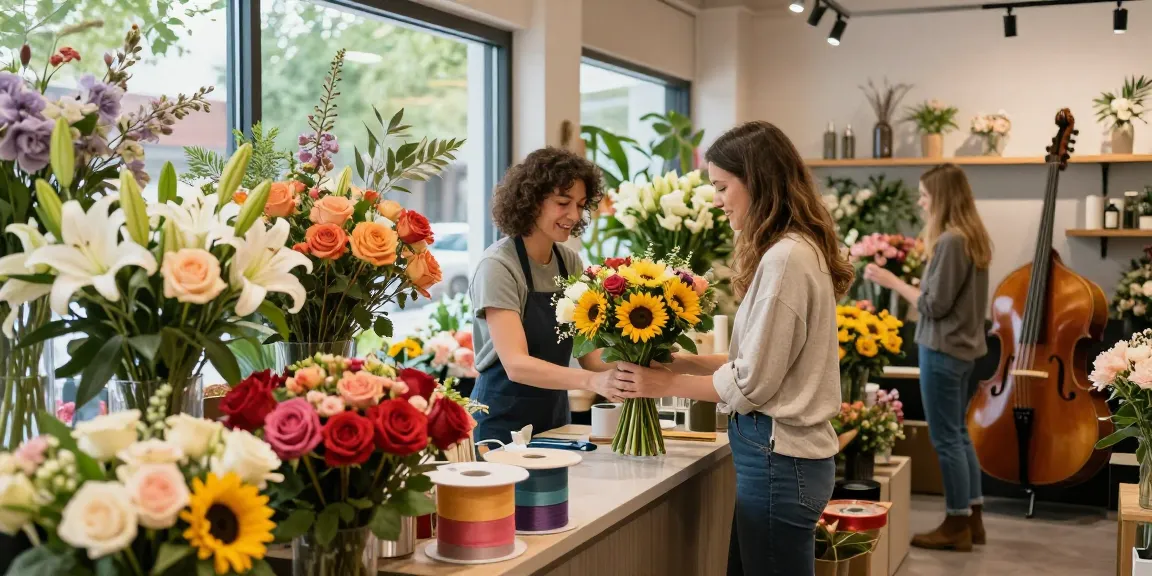
The competition from online retailers has intensified, compelling local florists to find unique selling points to attract customers. While e-commerce offers convenience, many consumers still value personalized service and the artistry that local florists provide. Florists must emphasize their unique offerings, such as bespoke arrangements and expert advice, to compete effectively with larger online platforms.
Adapting to Seasonal Changes and Events
Florists must remain flexible and responsive to seasonal trends and significant events that drive flower sales. Whether it’s holidays, weddings, or corporate events, understanding the seasonal demands allows florists to prepare their inventory and tailor marketing strategies accordingly. Successful florists employ data analytics to anticipate trends and adjust their offerings to capture maximum sales opportunities throughout the year.
Best Practices for Running a Successful Flower Shop
Effective Marketing Strategies for Local Florists
Marketing is critical for the success of any flower shop. Florists should leverage social media platforms to showcase their arrangements, engage with customers, and create a community around their brand. Collaborating with local businesses for cross-promotions and participating in community events can also enhance visibility and attract new customers. Additionally, email marketing campaigns that feature seasonal promotions or educational content can keep the business top-of-mind for existing customers.
Customer Engagement Techniques and Loyalty Programs
Building strong relationships with customers is essential for long-term success. Implementing loyalty programs that offer discounts or special offers can incentivize repeat purchases. Engaging customers through follow-up emails post-purchase or feedback surveys also enhances the customer experience, making them feel valued and more likely to return. Innovative engagement techniques, like hosting floral design classes or organizing community events, can further solidify customer loyalty.
Streamlining Inventory Management and Ordering
Effective inventory management is critical to the operational efficiency of a flower shop. Florists should utilize technology to track inventory levels, monitor trends, and forecast demand to avoid overstocking or stockouts. Implementing an efficient ordering system, possibly integrated with e-commerce platforms, allows florists to respond promptly to customer needs while minimizing waste. Regular audits of inventory can help maintain control and ensure the freshest products are always available for customers.
Future Predictions for the Floral Industry
Emerging Floral Design Trends for 2027
As we look towards 2027, emerging floral design trends will continue to evolve, reflecting broader societal changes. Expect to see even more collaboration between artists and florists, leading to installations that blur the lines between nature and art. The trend of using technology in design, such as augmented reality for virtual bouquets, will likely make headway, offering customers new ways to experience and select floral arrangements.
Technological Innovations Shaping the Future
As technology continues to advance, florists will have access to innovative tools that simplify business operations and enhance customer service. Artificial intelligence for inventory management, virtual consultations for personalized design, and delivery drones are just a few examples of how technology will shape the floral industry. Adopting these technologies not only makes operations more efficient but also appeals to tech-savvy consumers looking for cutting-edge solutions.
Potential Shifts in Consumer Buying Behavior
Future consumer behaviors will likely emphasize convenience, personalization, and sustainability. As younger generations become the primary consumers, their preferences will drive florists to adopt more environmentally friendly practices, offer customizable options, and enhance online shopping experiences. Understanding these shifts will be crucial for florists looking to stay ahead of the market.
What Are the Benefits of Floral Arrangements?
Floral arrangements provide numerous benefits beyond their aesthetic appeal. They can enhance mood, reduce stress, and contribute to well-being. Studies indicate that having flowers in a space can improve productivity and creativity, making them an essential component in both personal and professional environments.
How Can Florists Adapt to Market Changes?
Florists must remain agile, continuously assessing market trends and adjusting their business strategies accordingly. Staying informed about consumer preferences, embracing new technologies, and maintaining a robust online presence can help florists navigate challenges and capitalize on opportunities in the evolving marketplace.
What Are the Key Metrics for Measuring Success?
To measure success effectively, florists should track key performance indicators (KPIs) such as sales growth, customer retention rates, and average order value. Analyzing these metrics can provide insights into operational efficiency and customer satisfaction, enabling florists to identify areas for improvement and adjust strategies accordingly.
What Innovations are Influencing Floral Design?
Innovations in floral design are driven by customer demand for unique and sustainable arrangements. Techniques such as eco-friendly sourcing, advanced preservation methods, and the incorporation of non-traditional materials are reshaping the industry. Florists who embrace these innovations can differentiate themselves and attract a broader clientele.
Why is Sustainability Important in Floral Design?
Sustainability is crucial in floral design as consumers increasingly prioritize eco-friendly practices. Florists can play a significant role in promoting environmental responsibility by using sustainable materials, local sourcing, and reducing waste. This conscious approach not only appeals to customers but also contributes to the overall health of the planet.
How to Create Memorable Customer Experiences?
Creating memorable customer experiences involves more than just selling flowers. Engaging storytelling through branding, offering exceptional customer service, and providing opportunities for personalization can significantly enhance the overall experience. Flawless execution in service delivery, timely follow-ups, and attentive interactions ensure that customers feel valued and cherished.