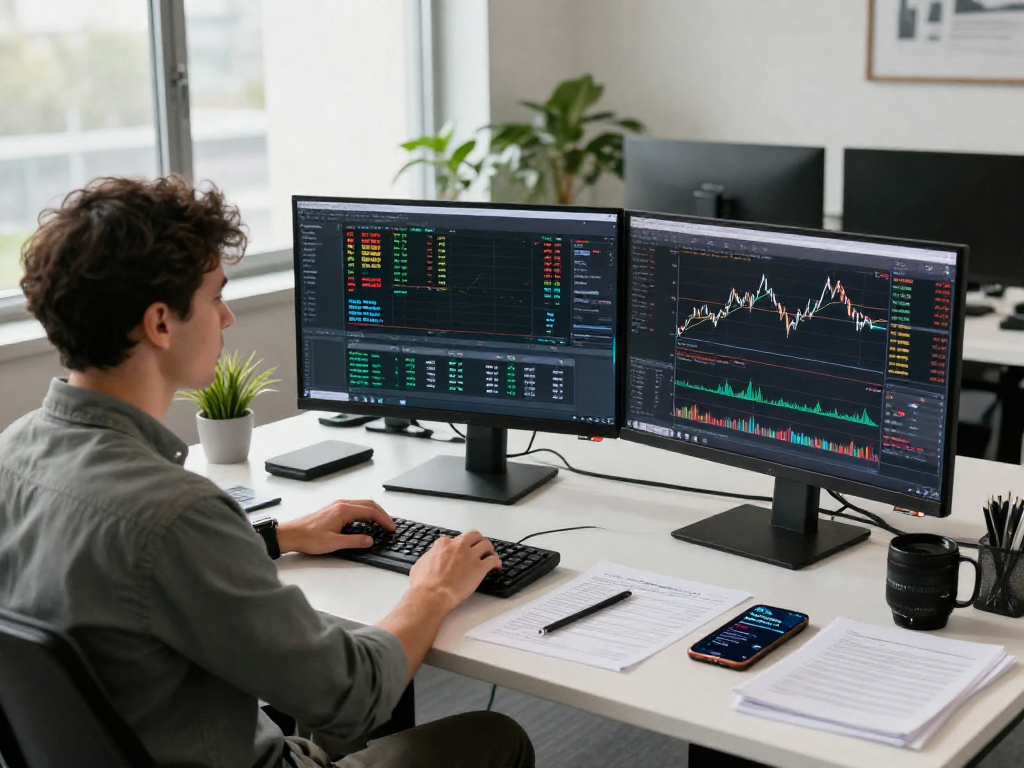
Understanding Prediction Markets
In recent years, the world of finance has witnessed a significant transformation, driven by technological advancements and changes in consumer behavior. Among the most exciting developments is the rise of 예측 시장, or prediction markets. These platforms allow individuals to leverage their insights into future events, ranging from financial trends to political elections. As we delve deeper into this innovative sector, we'll explore what prediction markets are, their core components, and how they differ from traditional financial markets.

What Is a Prediction Market?
A prediction market is an exchange where individuals can trade contracts based on the outcomes of future events. Participants buy and sell shares in specific outcomes, enabling them to pool their insights and generate highly accurate forecasts. This mechanism allows for the creation of crowdsourced probabilities, which can be applied to a wide range of topics, including economic shifts, sports outcomes, and even societal trends.
Key Components of 예측 시장
Several key components underlie the successful operation of prediction markets:
- Liquidity: A thriving prediction market requires sufficient participant engagement to ensure fair pricing and accurate predictions. Higher liquidity leads to more reliable market signals.
- Contract Types: Various types of contracts can be traded, such as binary options (yes/no outcomes) or more complex derivatives depending on the event's nature.
- Crowdsourced Information: The collective knowledge of the participants results in pooled insights that can often be more reliable than expert opinions, driven by the principle of market efficiency.
- Low Transaction Costs: Unlike traditional betting platforms that charge high fees, prediction markets often operate on a peer-to-peer basis, significantly reducing costs.
How They Differ from Traditional Markets
Prediction markets fundamentally differ from traditional financial markets in several ways. While traditional markets are focused on asset prices, prediction markets center on the likelihood of specific outcomes. Additionally, traditional trading is often laden with complexities, such as order books and charts, while prediction markets simplify participation through intuitive interfaces, especially in mobile applications. This simplicity is particularly evident in platforms like Swipe1, which allow users to engage with a straightforward swipe gesture.
The Rise of Mobile Prediction Apps
As we transition further into the digital age, the emergence of mobile prediction apps has revolutionized the way individuals engage with forecasting. These platforms exemplify the benefits of accessibility, allowing users to make predictions on the go and facilitating a greater sense of community among participants. The innovative approach taken by platforms like Swipe1 not only enhances user experience but also democratizes the forecasting process.
Swipe1: Innovating User Experience
Swipe1 is at the forefront of this mobile-first trend, making it easier than ever for users to participate in prediction markets. Designed for simplicity and user engagement, the Swipe1 interface allows users to swipe left for "yes," right for "no," or up to skip a question. This design reflects the needs of today's mobile generation, who seek quick and efficient ways to express their opinions.
Benefits of Mobile Accessibility in 예측 시장
The rise of mobile applications in prediction markets offers numerous advantages:
- Accessibility: Users can participate from anywhere at any time, which broadens the market's appeal and engagement.
- Simplified User Interfaces: Complex trading systems are replaced with intuitive interactions, making participation accessible to everyone, not just seasoned traders.
- Real-Time Updates: Mobile apps can provide immediate updates on market movements and event outcomes, keeping users informed.
- Gamification Elements: Many mobile prediction markets incorporate gamification, driving user engagement through point systems and leaderboards.
Case Studies of Successful Platforms
Analysis of successful prediction market platforms reveals various strategies that contribute to their popularity. For instance, platforms like Polymarket and Kalshi have successfully engaged users by focusing on specific niches. Polymarket has established itself as a hub for crypto-native users, while Kalshi caters to institutional players. These platforms illustrate that by targeting distinct demographics, prediction markets can thrive in a competitive landscape.
How to Get Started with Swipe1
For those eager to join the growing community of prediction market participants, getting started with Swipe1 is simple and straightforward. Below, we outline the steps to create an account and begin making predictions.
Step-by-Step Guide to Creating an Account
- Download the Swipe1 App: Available on both iOS and Android, the first step is to download the app to your mobile device.
- Register Your Account: Users can choose to log in using their Gmail account or a Web3 wallet. This flexibility allows for easy access without the need for lengthy registration processes.
- Start Predicting: Once registered, users can browse current prediction questions and start swiping to express their opinions.
Understanding the Swipe1 Points System
Swipe1 implements a Points system to encourage user engagement. When users make predictions, they earn points which can be used for various rewards within the platform. This system not only gamifies the experience but also fosters a community among users who share insights and discuss predictions.
Common Beginner Mistakes to Avoid
New users often face challenges when they first engage with prediction markets. Here are some common pitfalls to avoid:
- Neglecting Research: Just swiping without understanding the context of the question can lead to poor predictions.
- Overlooking Market Sentiment: Analyzing the prevailing sentiment can provide valuable insights and enhance prediction accuracy.
- Ignoring Community Insights: Engaging with other users and considering their perspectives can lead to more informed predictions.
Real-world Applications of Prediction Markets
예측 시장 have practical applications across various domains, providing valuable insights and engaging the community in meaningful ways. Here, we can explore specific areas where prediction markets have made significant contributions.
Sports Predictions and Community Engagement
In the realm of sports, prediction markets have created a space for fans to engage with their favorite teams and athletes actively. Users can forecast game outcomes, player performances, and championship results, transforming passive spectators into active participants. The community aspect fosters discussions and camaraderie among users, enhancing the overall experience.
Forecasting Political Events in 2026
As we anticipate the 2026 US Midterm Elections, prediction markets will play a critical role in gauging public sentiment. By analyzing user predictions on electoral outcomes, parties and candidates can make data-driven decisions and strategize their campaigns accordingly. The data generated from these markets can offer unprecedented insights into voter behavior and preferences.
How 예측 시장 Shapes Market Sentiment
The impact of prediction markets extends beyond individual outcomes; they shape overall market sentiment. As users participate in these markets, the aggregated predictions provide a real-time pulse on public opinion, influencing decisions in finance, politics, and beyond. This dynamic interaction showcases the power of collective intelligence in shaping perceptions and guiding action.
Future Trends in the Prediction Market Landscape
The landscape of prediction markets is rapidly evolving, influenced by technological advancements and regulatory changes. As we look ahead, several trends are likely to impact the industry.
Emerging Technologies in 예측 시장
Technological innovations such as blockchain and artificial intelligence are set to revolutionize prediction markets. Blockchain will enhance transparency and trust in transactions, while AI can analyze vast amounts of data to improve prediction accuracy. These technologies, combined, will create more reliable and engaging platforms for users.
Regulatory Changes Impacting the Industry
As prediction markets gain traction, regulatory scrutiny is expected to increase. Understanding compliance requirements in different jurisdictions will be crucial for platforms like Swipe1. These changes may introduce new opportunities and challenges, but overall regulation could enhance trust among users and legitimize the industry.
Predictions for the Next Five Years
Looking ahead to 2031, the prediction market industry is poised for tremendous growth. Increased user adoption, driven by mobile accessibility and gamified experiences, will likely result in higher trading volumes and broader participation across demographics. Prediction markets will become an essential tool for anyone looking to gauge public sentiment and forecast outcomes in various fields.
What Makes a Successful Prediction Market Platform?
Success in the prediction market industry hinges on several factors:
- User-Friendly Design: Platforms that prioritize simplicity and ease of use will attract a broader audience.
- Community Engagement: Fostering a sense of community among users encourages participation and enhances overall experience.
- Robust Data Analytics: Providing users with insights and analytics can help them make informed predictions, boosting their engagement and satisfaction.
Can 예측 시장 Revolutionize Financial Accessibility?
Prediction markets have the potential to democratize access to financial forecasting, enabling everyday users to participate without deep financial knowledge. By simplifying the process and encouraging user engagement through gamification, platforms like Swipe1 are leading the way in making financial prediction accessible to all.
What Are the Risks Involved?
As with any financial activity, engaging in prediction markets carries inherent risks. Users should be aware of the potential for financial loss and the speculative nature of these markets. Understanding the risks is vital for making informed decisions and protecting oneself within the landscape of 예측 시장.
How to Protect Yourself in the 예측 시장?
To mitigate risks while participating in prediction markets, consider the following strategies:
- Educate Yourself: Understanding the underlying mechanics of prediction markets can help you navigate them more effectively.
- Start Small: Begin with smaller predictions to gain experience before committing larger amounts.
- Stay Informed: Keep abreast of market trends and developments to enhance your predictive accuracy.