The Rise of 예측 시장 in 2026
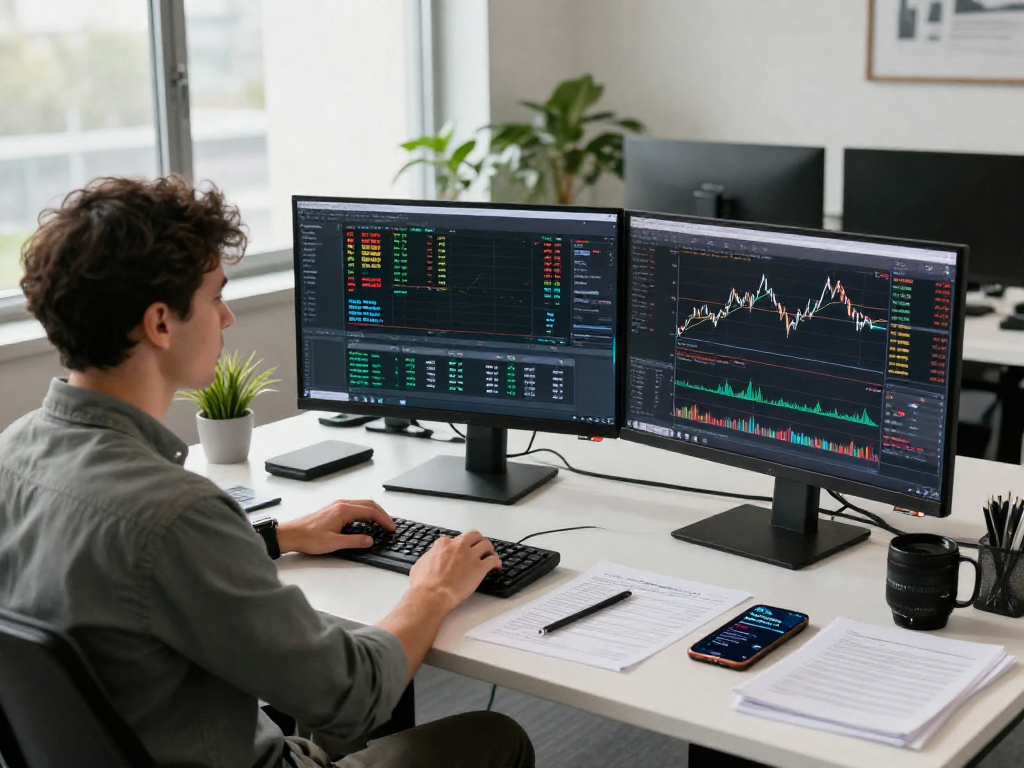
As we enter the year 2026, the landscape of financial forecasting is undergoing a radical transformation, driven by the growing popularity of 예측 시장 (prediction markets). These platforms harness the collective intelligence of users to gauge sentiments and predict outcomes across various sectors, including politics, sports, finance, and even crypto. Gone are the days when such capabilities were reserved solely for professional traders; today, anyone with a mobile device can engage in the action, making these markets not just a tool for financial analysts, but a social and interactive experience for all.
What Are Prediction Markets?
Prediction markets, often referred to as market-based forecasting, are platforms that allow participants to buy and sell shares in the outcomes of future events. Essentially, they function similarly to betting markets but are structured to extract a consensus of opinion rather than simply determine a winner. Participants stake their claims on potential future scenarios by trading contracts that pay out based on the outcome of specific events. This peer-to-peer trading model allows for a more dynamic and fluid exchange of information.
The Evolution of 예측 시장
The concept of prediction markets dates back to the early 1980s, but their mainstream acceptance has surged only recently, particularly in light of technological advancements and increased internet accessibility. By 2026, these markets have transitioned from niche platforms to essential tools for decision-making, reflecting the democratization of financial insights. Players can now leverage their knowledge and intuition about global events, thereby creating a more informed public discourse.
Key Trends Shaping User Engagement
Several factors contribute to the rising popularity of prediction markets:
- Mobile Accessibility: With the proliferation of smartphones, users can now participate in prediction markets on-the-go, making forecasting an integral part of daily life.
- Social Interaction: Prediction markets facilitate community engagement, allowing for discussions and shared insights among users that enhance predictive accuracy.
- User-friendly Interfaces: Innovations like Swipe1 offer intuitive designs that eliminate the intimidation factor associated with traditional trading platforms, encouraging broader participation.
- Gamification: Many platforms introduce gamified elements, making the forecasting experience not only informative but also enjoyable.
How Swipe1 Fits into the 예측 시장 Landscape
Swipe1 is at the forefront of this evolution, offering a mobile-native prediction market that simplifies the forecasting process. With a focus on community engagement and user experience, Swipe1 positions itself as a leader in the 예측 시장 landscape, aiming to make it accessible to everyone, not just seasoned traders.
Mobile-first Approach and User Experience
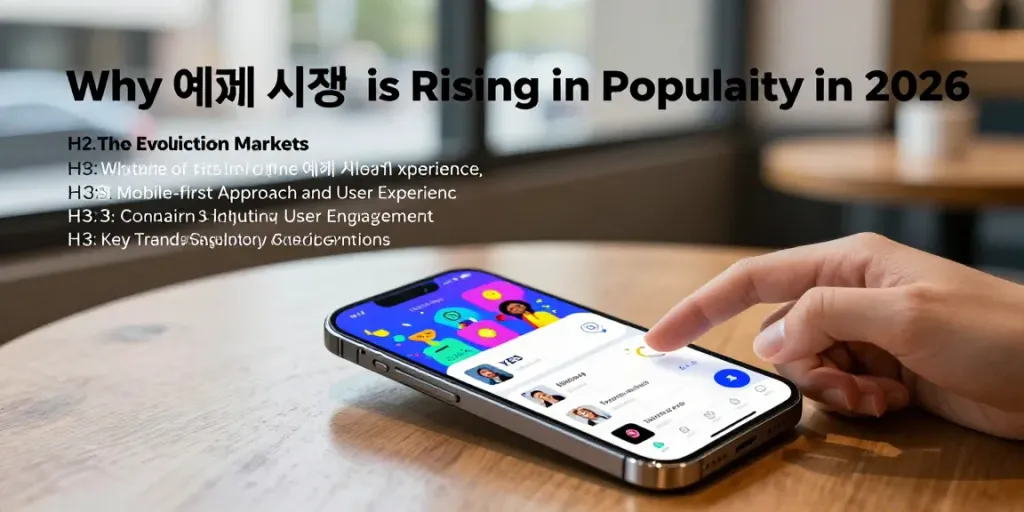
Swipe1 has designed its platform with mobile users in mind, utilizing a swipe gesture interface that makes placing predictions as simple as a flick of the finger. This approach is crucial in a world where consumer attention spans are decreasing and the demand for instant gratification is higher than ever. Users can quickly express their opinions on outcomes—by swiping left for "yes," right for "no," or up to skip—turning complex predictions into simple interactions.
Comparing Swipe1 with Competitors
While established platforms like Polymarket and Kalshi cater primarily to more technical users with intricate trading mechanisms, Swipe1 operates on a different paradigm. It focuses on casual prediction enthusiasts by providing a gamified, social experience that emphasizes community participation over high-stakes trading. This structural difference is key, as it opens up the possibility of tapping into new audience segments who may have felt alienated by traditional prediction markets.
The Significance of Community-driven Features
Community engagement is central to the Swipe1 experience. The platform incorporates features like leaderboards, points systems, and community challenges to foster interaction and keep users engaged. The mascot, SwipeBear, further embodies this community spirit, creating a relatable figure that users can rally behind as they participate in market predictions. Such elements not only enhance user satisfaction but also drive a sense of belonging within the platform.
Understanding 예측 시장 Mechanics
How Do Prediction Markets Work?
At its core, a prediction market functions as a platform for trading contracts based on specific future events. Participants buy shares in outcomes, and the price of these shares reflects the market's consensus on the likelihood of each outcome occurring. As users place their predictions, they essentially create a "collective wisdom" that can often be more accurate than individual forecasts. For example, the market might gauge that there’s a 60% chance of a particular sports team winning based on user activity and sentiment.
Liquidity and Fee Structures
One of the advantages of prediction markets over traditional sportsbooks is their relatively low fee structures. While sportsbooks can charge margins as high as 10%, many prediction markets operate on fees around 2%. This reduction in costs is appealing to traders and casual users alike, allowing for greater participation without the burden of high stakes. Furthermore, as more users engage with the platform, liquidity increases, making it easier for users to enter and exit positions.
Legal and Regulatory Considerations
As prediction markets gain traction, they also encounter regulatory scrutiny. In many jurisdictions, these markets are classified as event contracts, which can set them apart from standard gambling platforms. This designation not only legitimizes their operation but also facilitates their acceptance in the broader financial landscape. The current regulatory environment is evolving, and participants must stay informed about the legal implications of engaging in prediction markets.
Challenges and Misconceptions in 예측 시장
Common Misunderstandings About Predictions
Despite their growing popularity, prediction markets face significant misconceptions. One prevalent misunderstanding is that they are purely gambling platforms. While they do involve risk, the emphasis on collective intelligence and predictive analytics distinguishes them from traditional betting. Users are essentially placing informed bets based on market sentiment rather than random chance.
Technical Barriers for New Users
Many newcomers are often intimidated by the perceived complexity of prediction markets. However, platforms like Swipe1 are actively working to eliminate these barriers. This includes providing easy onboarding processes and clear instructions on how to engage with the market. The goal is to make forecasting more approachable for everyone, regardless of their technical background.
Addressing Trust and Security Concerns
Security is paramount in the blockchain and prediction market space. Users must be sure that their data and transactions are protected. To build trust, platforms need to adopt transparent security protocols and demonstrate regulatory compliance. Providing robust customer support and incentives for responsible gaming can also mitigate concerns and foster a trusting community environment.
The Future of 예측 시장 and User Engagement
Emerging Trends in 2026 and Beyond
The future of prediction markets looks promising as they become increasingly integrated into mainstream decision-making processes. Expect to see advancements in artificial intelligence and machine learning to help refine predictions and user engagement. As these technologies evolve, they will likely allow for more precise forecasting and a deeper understanding of market dynamics.
Potential Use Cases Beyond Gaming
While prediction markets are popular for sports and entertainment, their potential applications extend far beyond gaming. Sectors such as finance, elections, and climate forecasting stand to benefit greatly from the insights generated by these markets. By leveraging user-generated data, organizations can make better-informed decisions based on collective sentiment.
Building a Robust Community Around Predictions
Ultimately, the success of prediction markets hinges on the strength of the communities that form around them. Platforms like Swipe1 illustrate this concept by prioritizing user engagement, fostering a sense of belonging, and encouraging active participation. Community-driven initiatives will continue to enhance the user experience and broaden the appeal of prediction markets in the coming years.