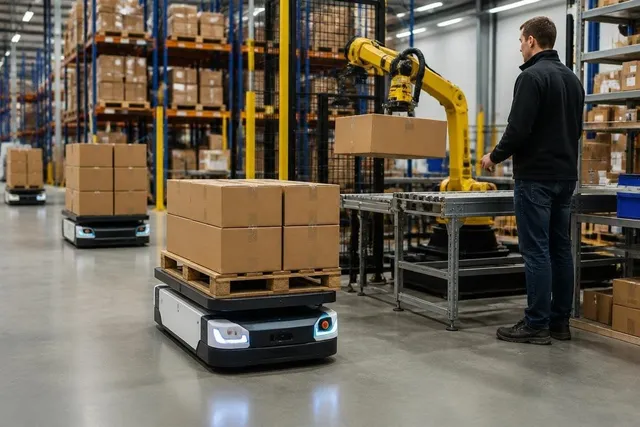
Understanding Enterprise AI
As businesses navigate an increasingly complex digital landscape, the integration of Enterprise AI into their operational framework has become crucial for maintaining competitive advantage. Unlike traditional AI applications, which often exist in isolation, Enterprise AI is designed to seamlessly integrate with existing business processes, enhancing decision-making, improving efficiency, and driving innovation across various sectors. This evolution not only enables companies to automate complex workflows but also empowers them to derive actionable insights from vast amounts of data.
What is Enterprise AI?
Enterprise AI refers to the implementation of artificial intelligence technologies within an organization to optimize and automate business operations. This integration involves using advanced algorithms, machine learning models, and data analytics to improve processes, drive decision-making, and provide personalized customer experiences. Enterprise AI is distinguished from general AI applications by its focus on large-scale, complex challenges that organizations face in their daily operations.
The primary goal of Enterprise AI is to create intelligent systems that can function autonomously or semi-autonomously, allowing organizations to achieve greater efficiency. These systems support various functions, from data analysis and customer service to supply chain management and risk assessment. By leveraging AI, organizations can streamline their operations, reduce costs, and increase their responsiveness to market trends.
Key Components of Enterprise AI
Successful adoption of Enterprise AI hinges on several critical components that work together to create a robust AI framework:
- Data Management: High-quality, structured data serves as the foundation for effective AI models. A comprehensive data strategy ensures that organizations can collect, store, and process data efficiently.
- Model Development: Developing custom AI models tailored to specific business needs is essential. This involves identifying the right machine learning algorithms and training models using relevant data.
- Integration: AI systems must be integrated with existing software and workflows to maximize their impact. This connection allows for seamless data flow and enhances user experience.
- Governance: Implementing policies and frameworks to manage AI usage ensures ethical considerations are met, data privacy is maintained, and regulatory compliance is achieved.
- Performance Monitoring: Continuous evaluation of AI performance is vital to ensure systems remain effective and relevant in a changing business environment.
Benefits of Implementing Enterprise AI
Organizations that adopt Enterprise AI can expect several significant benefits, including:
- Increased Efficiency: Automation of repetitive tasks allows employees to focus on higher-value work, leading to improved overall productivity.
- Enhanced Decision-Making: AI can analyze vast datasets quickly, providing insights that support better decision-making.
- Cost Reduction: By streamlining processes and reducing manual errors, organizations can lower operational costs.
- Improved Customer Experience: Enterprise AI enables more personalized interactions, leading to higher customer satisfaction and loyalty.
- Scalability: AI systems can handle increased workloads without compromising performance, making it easier for businesses to scale operations.
Challenges in Implementing Enterprise AI
While the benefits of Enterprise AI are substantial, organizations often face several challenges when implementing these technologies.
Common Misconceptions About Enterprise AI
Misunderstanding the capabilities and limitations of Enterprise AI can lead to unrealistic expectations. Some common misconceptions include:
- AI can replace human workers entirely.
- Implementing AI systems is a quick and easy process.
- All AI models can be applied universally without customization.
- AI will solve all business problems without human intervention.
These misconceptions can hinder the successful adoption of AI technologies. It is crucial for organizations to recognize that while AI can significantly enhance operations, it is not a one-size-fits-all solution.
Technical and Operational Challenges
Organizations often encounter technical hurdles such as:
- Data Quality Issues: Poor-quality data can lead to ineffective AI models, resulting in inaccurate insights and decisions.
- Integration Difficulties: Connecting AI systems to existing workflows and databases can be complex, requiring significant investment in time and resources.
- Skill Gaps: A lack of expertise in AI and data science can limit an organization’s ability to develop and implement AI solutions effectively.
Addressing Resistance to AI in Organizations
Resistance from employees can pose a significant barrier to the successful implementation of Enterprise AI. To address this challenge, organizations should foster a culture of innovation through:
- Education and Training: Providing employees with the necessary skills and knowledge to work alongside AI technologies can mitigate fears of job displacement.
- Clear Communication: Transparently communicating the benefits and goals of AI adoption can help align organizational objectives with employee expectations.
- Involvement in Implementation: Involving employees in the AI implementation process can encourage acceptance and foster a sense of ownership over the technology.
Developing a Custom Enterprise AI Strategy
To successfully integrate Enterprise AI into an organization, a well-defined strategy is essential. This involves several key steps:
Identifying Business Needs for AI Integration
The first step in developing an effective AI strategy is identifying specific business needs. Organizations should assess areas where AI can provide value, such as:
- Streamlining operations
- Enhancing customer engagement
- Automating repetitive tasks
- Improving data analysis capabilities
Identifying high-impact areas will help prioritize AI projects and allocate resources effectively.
Building and Training AI Models
Once business needs are established, organizations must focus on building and training custom AI models. This process involves:
- Data Collection: Gathering relevant data that reflects the business's unique context and requirements.
- Model Selection: Choosing appropriate machine learning algorithms based on the specific problem being addressed.
- Training and Validation: Ensuring models are trained on sufficient data and validated to achieve optimal performance.
Choosing the Right Tools and Technologies
The selection of the right tools and technologies is critical for the success of Enterprise AI initiatives. Organizations must consider factors such as:
- Scalability and performance of AI platforms.
- Integration capabilities with existing systems.
- Support for machine learning and data processing pipelines.
Investing in robust technology will provide a solid foundation for future AI projects.
Real-World Applications of Enterprise AI
Implementing Enterprise AI has led to transformative changes across various industries, demonstrating the technology's versatility and effectiveness.
Case Studies of Successful Enterprise AI Implementations
Several organizations have successfully integrated Enterprise AI into their operations:
- Bank of America: The bank uses AI-powered chatbots for customer service, significantly reducing wait times and improving customer satisfaction.
- General Electric: GE employs AI for predictive maintenance of equipment, reducing downtime and maintenance costs.
- Amazon: AI algorithms drive demand forecasting, inventory management, and personalized recommendations, leading to increased operational efficiency.
Industry-Specific Use Cases
Enterprise AI applications vary by industry, including:
- Healthcare: AI is used for patient diagnosis and treatment recommendations, improving patient outcomes through personalized medicine.
- Manufacturing: AI optimizes production schedules and quality control processes, enhancing efficiency and reducing waste.
- Retail: AI-driven analytics inform marketing campaigns and inventory management, allowing retailers to respond effectively to consumer trends.
Measuring Success in Enterprise AI Projects
Establishing metrics for success is crucial for evaluating the effectiveness of AI initiatives. Organizations should track:
- Return on investment (ROI)
- Operational efficiency improvements
- Customer satisfaction and engagement levels
- Error rates and cost reductions in key processes
Data-driven assessment of AI projects enables organizations to refine their strategies and maximize the benefits of Enterprise AI.
Future Trends in Enterprise AI
The field of Enterprise AI is rapidly evolving, with several emerging trends poised to shape its future.
Emerging Technologies Shaping Enterprise AI
New technologies, including:
- Natural Language Processing (NLP): Enhancements in NLP will improve how organizations interact with customers and analyze textual data.
- Explainable AI (XAI): As businesses seek transparency in AI decision-making, XAI will provide insights into how models arrive at their conclusions.
- Edge Computing: Processing data closer to its source will enable faster decision-making and reduce latency for real-time applications.
Predictions for Enterprise AI in 2026 and Beyond
Looking ahead, experts predict that:
- Adoption of AI technologies will continue to rise, driven by advancements in machine learning and data analytics.
- Organizations will increasingly focus on ethical AI practices, ensuring responsible use of data and algorithms.
- Collaboration between AI and human workers will become more pronounced, enhancing workforce efficiency.
Preparing for the Future of Work with AI
Organizations must adopt proactive strategies to prepare for a future where AI plays a central role in operations. This includes:
- Investing in employee training and development to ensure staff can work effectively alongside AI
- Establishing governance frameworks that address the ethical implications of AI
- Continuously monitoring and evaluating AI impact on business processes and organizational culture
By embracing these strategies, organizations will be better positioned to leverage the full potential of Enterprise AI and drive sustainable growth in an increasingly digital world.