Understanding the Slot Concept in Pizzeria Operations
In the world of pizzeria operations, the term "slot" carries significant weight, influencing various facets of menu planning, customer experience, and management strategies. A slot can refer to a specific time, space, or resource allocated for particular menu items, culinary tasks, or even the physical layout of the restaurant. Understanding how to effectively manage these slots is crucial for optimizing operations and enhancing customer satisfaction. Exploring this concept enables pizzeria owners to streamline their offerings and create a more enjoyable dining experience. For those looking to delve deeper into the intricacies of managing a slot, it’s essential to grasp the underlying principles that guide these decisions.
What is a Slot in the Restaurant Context?
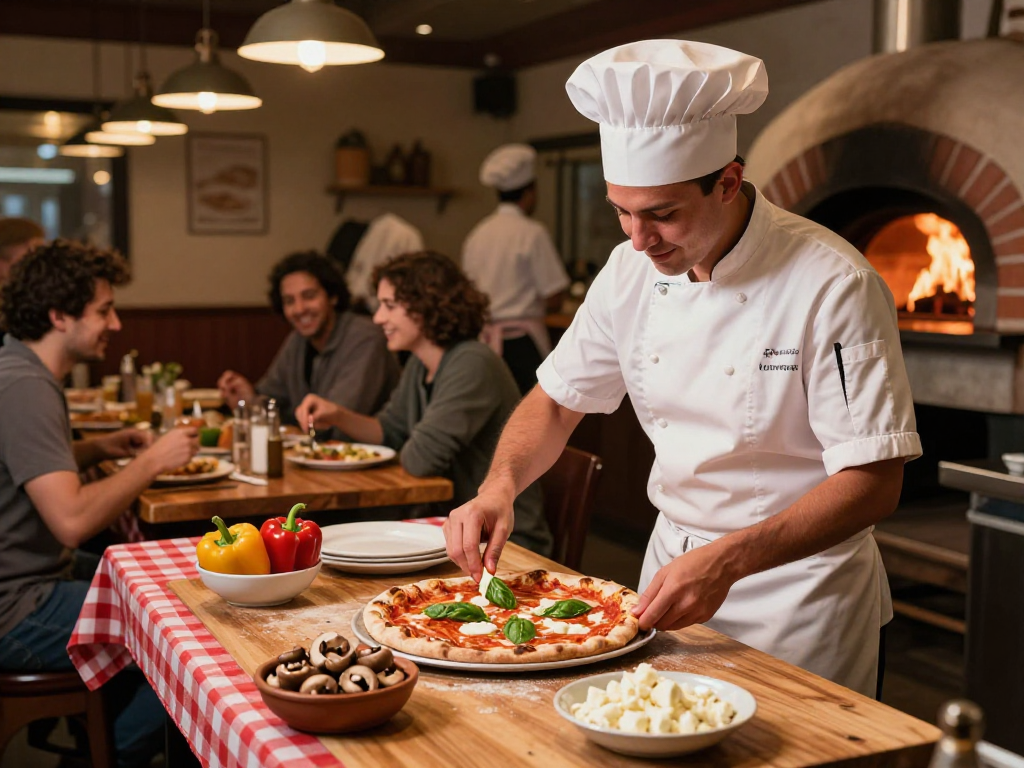
A slot in the restaurant context generally refers to the allocation of space and time within a pizzeria or restaurant for specific purposes. For instance, this can manifest in the design of the kitchen, where space is organized to allow for efficient movement and task completion. Additionally, slots can be filled by menu items during specific times—consider peak hours when certain pizzas may be featured while others are not. The defined slots help to manage labor, inventory, and customer expectations effectively.
How Slots Impact Menu Planning
Menu planning in a pizzeria is significantly shaped by the concept of slots. By understanding customer preferences, peak dining times, and ingredient availability, pizzerias can optimize their menus to enhance turnover and minimize waste. For example, if a particular pizza is popular on Friday nights, a slot can be created to feature this item prominently, incentivizing customers to order. Moreover, seasonal slots allow pizzerias to introduce limited-time offerings that leverage fresh local ingredients, thereby enhancing customer engagement and satisfaction.
Common Challenges with Slot Management
Despite the advantages of effective slot management, pizzerias face several challenges. One common issue is overbooking, especially during busy hours, which can lead to customer dissatisfaction due to long wait times. Additionally, poorly managed slots can result in underutilized ingredients and wasted food, negatively impacting profitability. Balancing these elements requires careful analysis and proactive management strategies, emphasizing the need for data-driven decision-making.
The Importance of Slot Visibility in Customer Experience
The visibility of slots significantly influences the customer experience in a pizzeria. When slots for menu items are well-defined and communicated, customers can make informed choices quickly, enhancing their overall dining experience. It’s essential for pizzerias to recognize that customers appreciate clarity and transparency. Options should be presented in a manner that is straightforward and visually appealing, ensuring that the right information is available at the right time.
How Slots Affect Customer Choices
Slots play a pivotal role in customer decision-making. When customers see a well-organized menu with clearly defined slots for different types of pizzas, they are more likely to engage with the offerings. For example, a pizzeria that features a 'Chef's Special' slot may encourage customers to try new items that they wouldn't typically order. Utilizing slots can effectively guide customers toward upselling opportunities and seasonal specialties, enhancing their overall experience.
Case Studies of Successful Slot Implementations
Several pizzerias have successfully implemented effective slot management strategies. For instance, a well-known pizzeria chain introduced a rotating 'Slot of the Week', where a specific pizza was highlighted, supported by marketing efforts and limited-time offers. This strategy not only improved sales of the featured pizza but also attracted regular customers to try something new, creating a sense of excitement around the menu. Another case involved a small pizzeria that optimized its kitchen layout based on slot-driven planning, resulting in significant improvements in efficiency and customer satisfaction.
Strategies to Enhance Slot Visibility
To enhance slot visibility, pizzerias should consider several strategic approaches:
- Utilizing menu design elements such as color-coding or icons to distinguish between various slots.
- Implementing digital menus with interactive features, allowing customers to explore available slots in real-time.
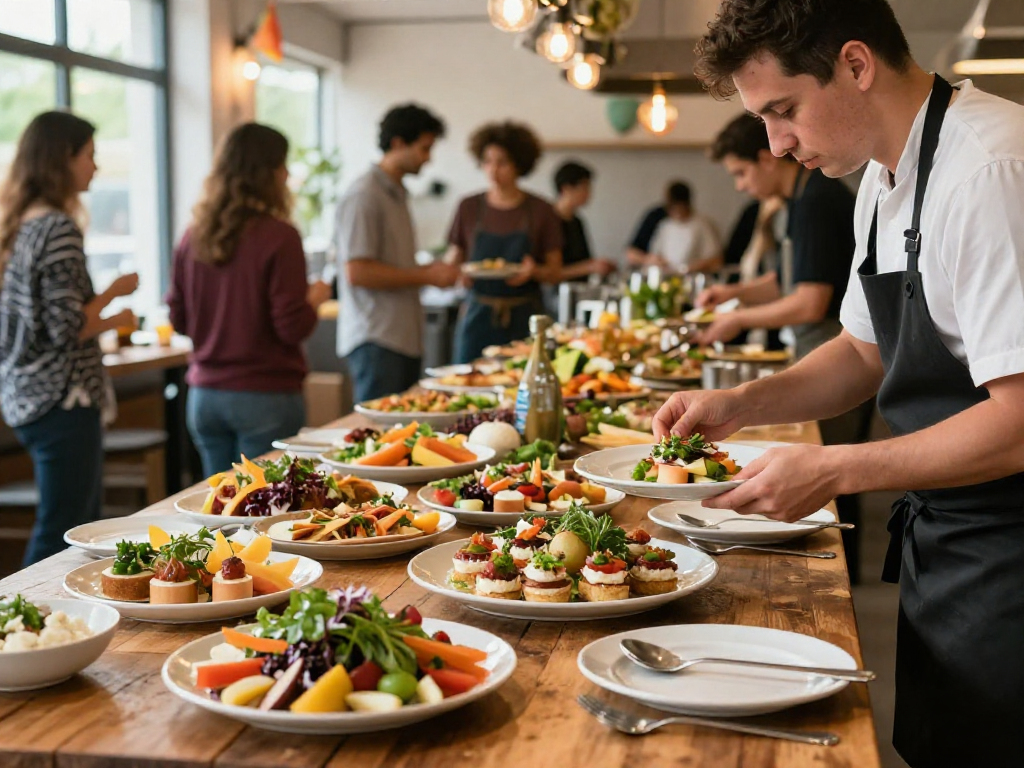
- Offering tasting events where customers can experience multiple slots at once, encouraging exploration of new offerings.
By prioritizing visibility, pizzerias can ensure that customers are fully aware of their options, leading to better purchasing decisions and increased satisfaction.
Effective Slot Management Strategies
Implementing effective slot management strategies is vital for maintaining a competitive edge in the restaurant industry. Focusing on maximizing resources and ensuring customer satisfaction can significantly impact a pizzeria's bottom line.
Best Practices for Allocating Slots
Allocating slots effectively requires a deep understanding of customer behavior and operational workflows. Here are some best practices:
- Analyze sales data to identify peak hours and popular menu items, then allocate slots accordingly.
- Ensure flexibility in slot management to adapt to changing customer preferences and seasonal trends.
- Engage staff in the allocation process to get insights from those directly involved in service.
These practices help pizzerias create an effective inventory and service management system that boosts customer satisfaction and profits.
Tools and Technology for Slot Optimization
Investing in the right tools and technologies can streamline slot management. Point-of-sale (POS) systems that track sales data provide invaluable insights into customer preferences and peak hours. Additionally, inventory management software ensures that ingredients are available for each slot, minimizing wastage and maximizing freshness. Pairing these technologies with effective communication tools enables staff to respond swiftly to changing demands, further enhancing service efficiency.
Real-World Examples of Slot Management in Action
Many successful pizzerias have adopted innovative slot management techniques. For example, a popular pizza chain uses data analytics to predict customer demand, allowing them to adjust their menu offerings dynamically and optimize kitchen operations. Another example is a local pizzeria that regularly engages in customer feedback sessions to refine its menu and allocate slots based on what patrons want the most. Such real-world applications demonstrate the effectiveness of strategic slot management in building a loyal customer base and increasing profitability.
Future Trends in Slot Applications for Pizzerias
As the restaurant industry continues to evolve, several trends are shaping the future of slot management in pizzerias. Embracing these trends can lead to new opportunities for growth and innovation.
Emerging Technologies Impacting Slot Utilization
Emerging technologies such as artificial intelligence (AI) and machine learning are beginning to transform how pizzerias manage their slots. AI can analyze vast datasets to predict customer behavior, optimizing slot allocation in real-time and enhancing the customer experience. Furthermore, technologies like QR codes enable contactless menus that can easily highlight featured slots without significant overhead.
Predictions for Slot Management in 2026
Looking ahead to 2026, pizzerias will likely see an increased integration of technology in slot management. This could include augmented reality (AR) menus that allow customers to visualize their orders before making a decision, thereby enhancing engagement. Additionally, environmental sustainability will become a key consideration, with more pizzerias looking to optimize their slots in a way that minimizes their carbon footprint and resource usage.
Preparing Your Pizzeria for Future Slot Challenges
To prepare for future slot management challenges, pizzeria owners should invest in continuous training for staff, keep abreast of industry trends, and stay flexible in their operations. Embracing new technologies and innovative concepts like ghost kitchens and delivery-oriented slots can position pizzerias to thrive in an increasingly competitive market. By being proactive, pizzerias can turn potential challenges into opportunities for growth.
Frequently Asked Questions About Slot Management
What are the benefits of effective slot management?
Effective slot management allows pizzerias to optimize their operations, reduce waste, enhance customer satisfaction, and ultimately increase profitability. By thoughtfully allocating slots based on data-driven insights, pizzerias can ensure they meet customer demand while maximizing the use of their resources.
How can I improve slot visibility in my pizzeria?
Improving slot visibility can be achieved through clear menu design, effective use of digital technology, and regular updates to customers about special offerings. Engaging with customers through social media platforms can also enhance visibility and drive traffic to specific slots.
What tools can help with slot optimization?
Tools such as modern POS systems, inventory management software, and customer relationship management (CRM) systems can significantly aid in slot optimization. These tools offer insights into customer behaviors and inventory needs, allowing for more efficient slot allocation.
How do slots influence customer satisfaction?
Slots influence customer satisfaction by providing clarity in menu options and ensuring that popular items are readily available during peak times. Well-managed slots can also facilitate timely service, reducing wait times and enhancing the overall dining experience.
What trends should I watch for in restaurant slot management?
Future trends to watch include the integration of AI in predicting customer preferences, the rise of mobile ordering apps that enhance slot visibility, and sustainability practices that optimize resource use in slot management. Staying informed about these trends can help pizzerias remain competitive.