The Evolution of Catering Slots in the Food Industry
In the ever-evolving landscape of the food service industry, catering slots have emerged as a pivotal element that impacts operational efficiency and customer satisfaction. Catering slots enable event planners and caterers to allocate specific time frames for food preparation and delivery, ensuring seamless service during high-demand periods. As consumer expectations rise and the diversity of events expands, understanding the nuances of slot allocation becomes crucial for success. When exploring options, slot management is essential for optimizing resources and enhancing customer experiences.
Understanding Slot Allocation for Catering Events
Slot allocation is the process of assigning specific timeframes for catering services to various events. This practice allows caterers to manage their resources effectively and meet the demands of multiple clients concurrently. The key is to establish a robust scheduling system that balances availability with client needs.
For instance, a popular wedding venue might have limited time slots for receptions, creating a need for precise management. Caterers must therefore consider factors such as food prep times, delivery schedules, and staffing levels. By utilizing strategies like time-blocking and buffer appointments, catering businesses can ensure they fulfill their commitments while maximizing throughput.
How Slot Management Enhances Guest Experience
Effective slot management directly contributes to an enhanced guest experience. By ensuring timely food delivery, catering services can prevent delays that can sour an event's atmosphere. Furthermore, when guests know that their meal will be served on time, they can enjoy other aspects of the event without anxiety over meal timing.
To enhance guest satisfaction, caterers can implement features like customizable menus within specific slots. This not only gives clients flexibility but also creates a unique experience for guests, elevating the overall impression of the event.
Challenges in Effective Slot Scheduling
Despite the clear benefits of slot management, several challenges can arise. One significant issue is overbooking, which often happens when demand outstrips available resources. This can lead to frustrating scenarios where events overlap, causing service delays or inadequacies.
Additionally, unforeseen circumstances, such as last-minute changes in guest counts or dietary restrictions, can complicate scheduling further. Caterers must remain adaptable, implementing contingency plans and communicating effectively with clients to mitigate risks associated with these challenges.
Best Practices for Optimizing Catering Slots
Strategies for Streamlining Operations
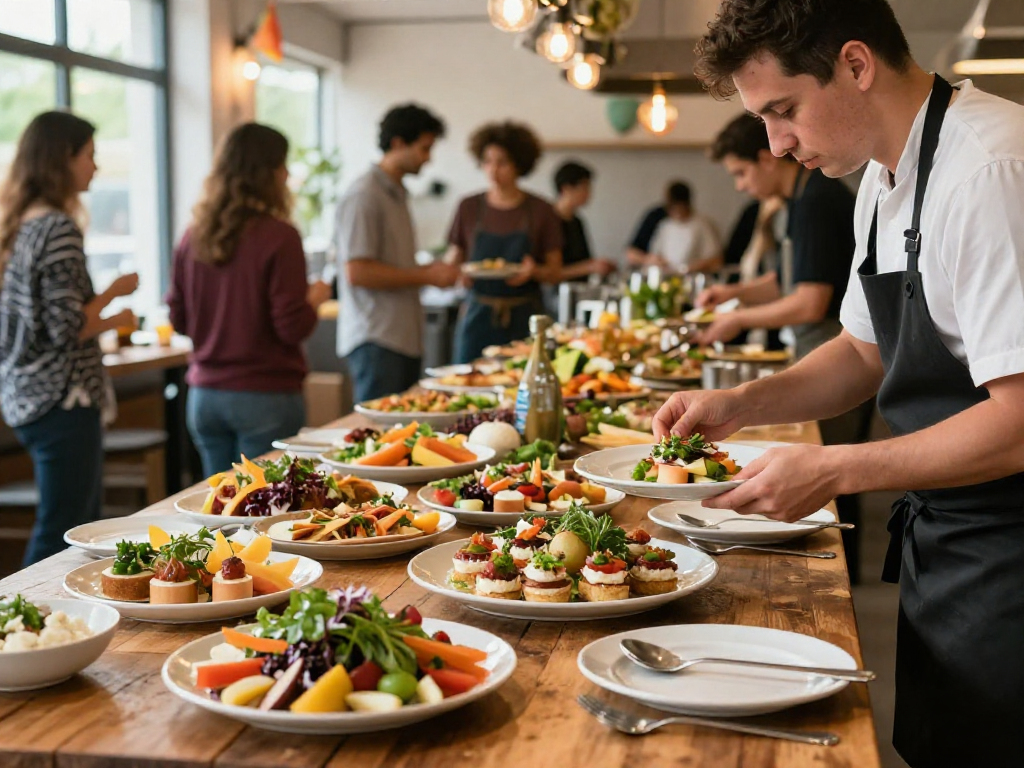
To achieve optimal efficiency, caterers can adopt a variety of strategies aimed at streamlining operations. One effective method is to categorize events by size and complexity, allowing for better resource allocation. Smaller events might require fewer staff and resources, while large-scale functions may necessitate a comprehensive approach that includes buffet setups and multiple service stations.
Another practice involves continuous assessment and refinement of scheduling processes. By reviewing past events and their outcomes, caterers can identify patterns, leading to improved slot allocation in the future.
Utilizing Technology for Slot Management
Leveraging technology in slot management can profoundly impact operational effectiveness. Scheduling software can simplify the allocation of catering slots by allowing real-time adjustments based on availability and demand. Features like automated reminders can also help staff meet deadlines, ensuring that events run smoothly.
Additionally, customer relationship management (CRM) tools can be used to track client preferences, streamline communication, and provide personalized service. This data-driven approach not only enhances operational efficiency but also fosters lasting customer relationships.
Case Studies: Successful Slot Implementations
Examining successful implementations of slot management offers valuable insights. For example, a large catering company specializing in corporate events adopted a new scheduling platform that integrated with their existing CRM. This transition allowed them to reduce overbooking incidents by 30% and improved customer satisfaction ratings significantly.
Another case involved a wedding catering service that created a tiered slot system based on the size of events. By offering different packages with varied slot times, they were able to cater to more clients without sacrificing quality, which resulted in increased revenue and a solid reputation within the wedding industry.
Future Trends in Catering Slot Management for 2026
The Rise of On-Demand Catering Slots
As consumer preferences shift toward convenience, the demand for on-demand catering slots is set to increase. This trend aligns with the growing popularity of last-minute event planning and the expectation of immediate service. Caterers must adapt to this reality by implementing flexible scheduling systems that allow for rapid response to client needs.
Adopting a mobile-friendly booking system can facilitate on-demand services. By allowing clients to select available slots quickly, caterers can remain competitive in a landscape where speed and efficiency are critical.
Impact of AI on Slot Efficiency and Guest Satisfaction
Artificial intelligence (AI) is poised to revolutionize slot management in the catering industry. AI-driven analytics can optimize scheduling by predicting peak demand periods based on historical data. This predictive capability enables caterers to allocate resources more effectively, thus enhancing service quality.
Moreover, AI can also assist in personalizing the guest experience by analyzing consumer preferences and suggesting tailored menu options or slot configurations that resonate with specific demographics.
Environmental Considerations in Slot Planning
As sustainability becomes increasingly important, environmental considerations will play a significant role in slot planning. Caterers will need to evaluate their transportation routes and minimize food waste during events. By adopting practices such as sourcing locally and managing inventory efficiently, they can not only contribute to sustainability but also resonate with eco-conscious consumers.
Engaging Customers with Unique Slot Experiences
Creative Catering Concepts to Attract Clients
To stand out in a crowded market, caterers can develop unique concepts around their slot offerings. Pop-up dining experiences, themed buffet setups, or interactive food stations can create memorable moments for guests while providing caterers with the opportunity to showcase their culinary skills.
Moreover, incorporating cultural elements or trending diets into catering slots can attract a wider range of clients. For instance, offering vegan or gluten-free options within a flexible slot can appeal to diverse audiences and showcase adaptability.
Personalizing the Slot Experience for Events
Personalization is key to modern catering. Clients want experiences tailored to their specific needs and preferences. Caterers can enhance personalization by offering customizable options within their slots, such as craft cocktails, chef interactions, or themed decor.
Furthermore, soliciting feedback from clients post-event can provide insights into their experiences, allowing caterers to refine their offerings and cater to evolving tastes.
Leveraging Social Media to Promote Slot Offerings
In today’s digital age, social media serves as a powerful tool for promoting catering slots. By sharing high-quality images of past events, client testimonials, and behind-the-scenes content, caterers can attract potential clients and showcase their services effectively.
Engagement with followers through polls or surveys about preferred menu items or experiences can provide valuable insights for future slot offerings. Additionally, leveraging platforms like Instagram and Facebook to announce special promotions or last-minute slot availability can drive customer interest.
Measuring Success: Metrics for Slot Performance
Key Performance Indicators for Catering Slots
To assess the effectiveness of slot management strategies, caterers should establish key performance indicators (KPIs). Metrics such as client satisfaction scores, repeat bookings, and average profit margins per event can provide insights into operational success.
Moreover, tracking resource utilization and efficiency rates can highlight areas for improvement, allowing caterers to optimize their slot processes continually.
Collecting Feedback to Enhance Slot Strategy
Feedback collection is critical for refining catering slot strategies. Post-event surveys can be used to gauge client satisfaction and gather insights about specific aspects of the catering experience. By analyzing this data, caterers can make informed adjustments to their offerings and slot management approaches.
Future-Proofing Slot Management Techniques
As the catering industry continues to evolve, future-proofing slot management techniques is essential. Staying informed about emerging trends, technological advancements, and shifts in consumer behavior will allow caterers to adapt accordingly. Regular training for staff on new tools and processes ensures they remain equipped to navigate this dynamic landscape.
What are the key benefits of using slots for catering events?
Catering slots provide numerous benefits, including improved operational efficiency, enhanced guest experiences, and better resource management. By clearly defining timeframes for food service, caterers can streamline their operations and ensure timely delivery, leading to higher customer satisfaction.
How can technology improve slot management in catering?
Technology can significantly enhance slot management through the use of scheduling software, CRM systems, and AI analytics. These tools enable better planning, reduce overbooking risks, and allow for real-time adjustments to cater to clients' needs effectively.
What challenges arise in allocating catering slots?
Challenges such as overbooking, last-minute changes, and logistical constraints often complicate slot allocation. Proper planning, flexible systems, and effective communication with clients can help mitigate these issues.
How do trends in catering slots change over the years?
Trends in catering slots evolve based on consumer preferences, economic factors, and technological advancements. Catering businesses need to stay attuned to these changes to remain competitive and responsive to client needs.
What should caterers know about consumer preferences for slots?
Caterers must recognize that consumer preferences for slots are increasingly leaning towards flexibility and personalization. Clients desire customizable options that cater to their unique event requirements, emphasizing the importance of adaptability in slot management.